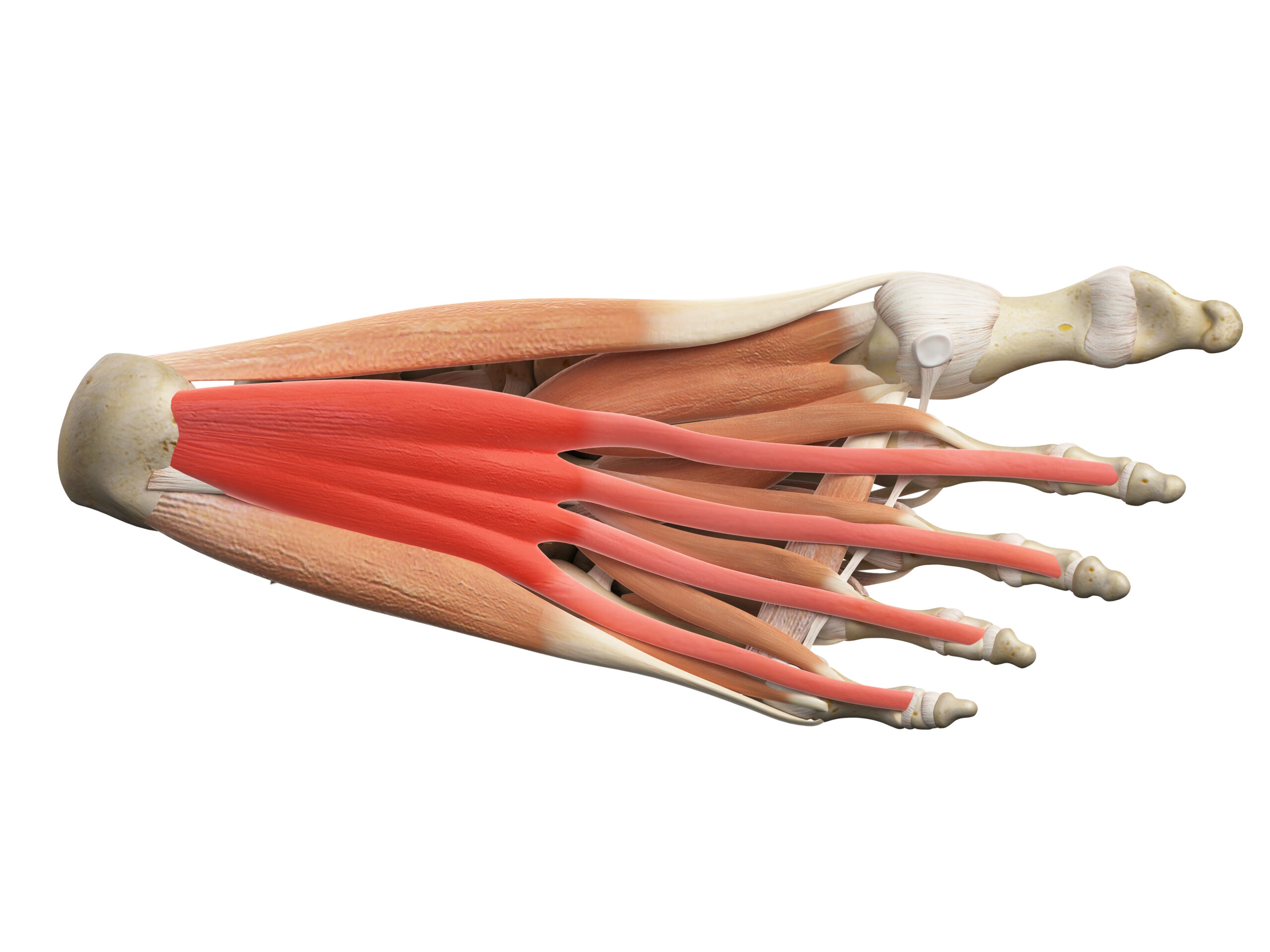
Foot Biomechanics Part 10 – The Muscles of the Foot & Ankle
Shall we explore the final piece in this series to see if we can recall muscles in the foot and…
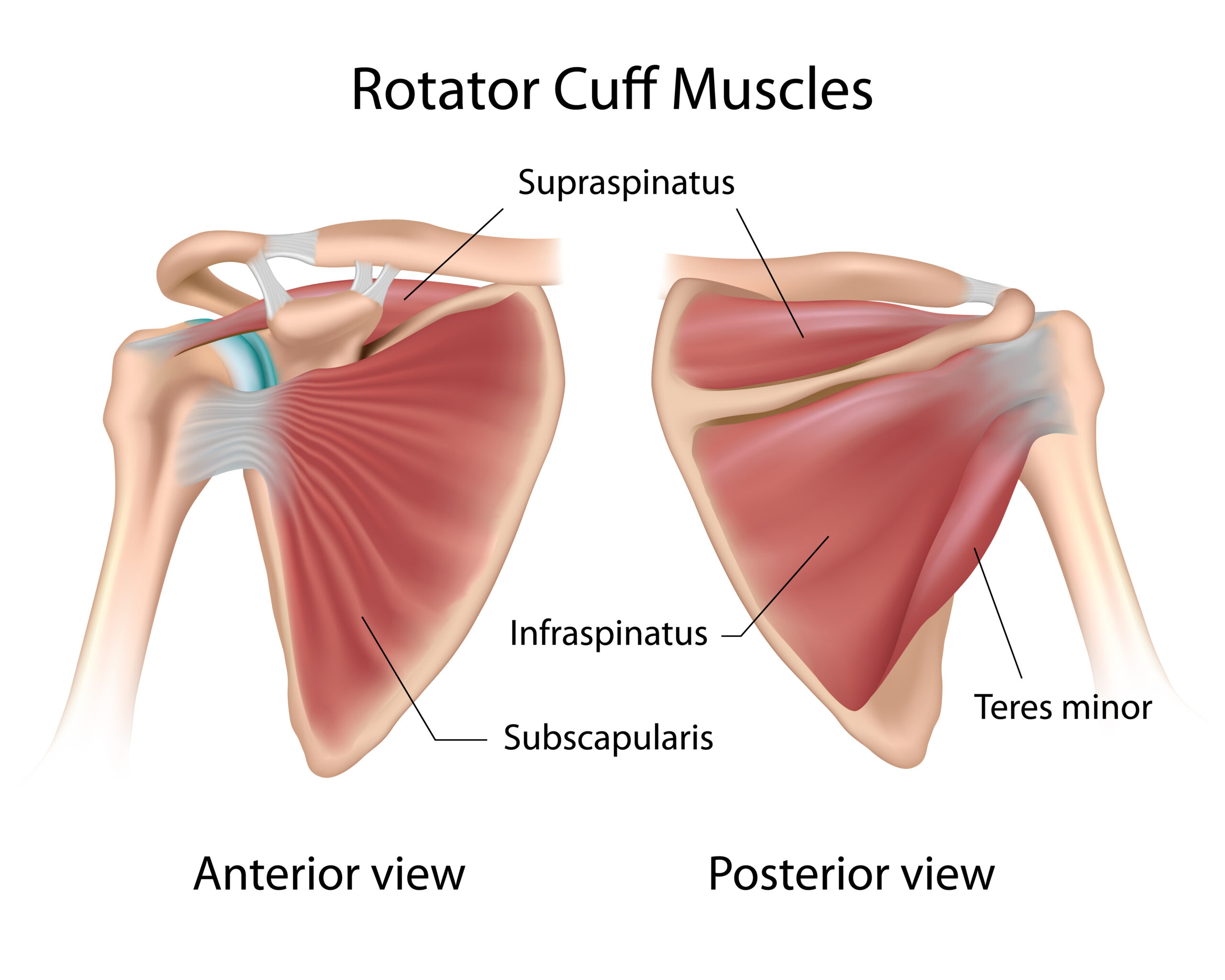
Shoulder Biomechanics Part 6 – The Muscles of the Shoulder
The shoulder is a marvel of biomechanics, heavily reliant on robust muscle tone and function for optimal performance. In this…
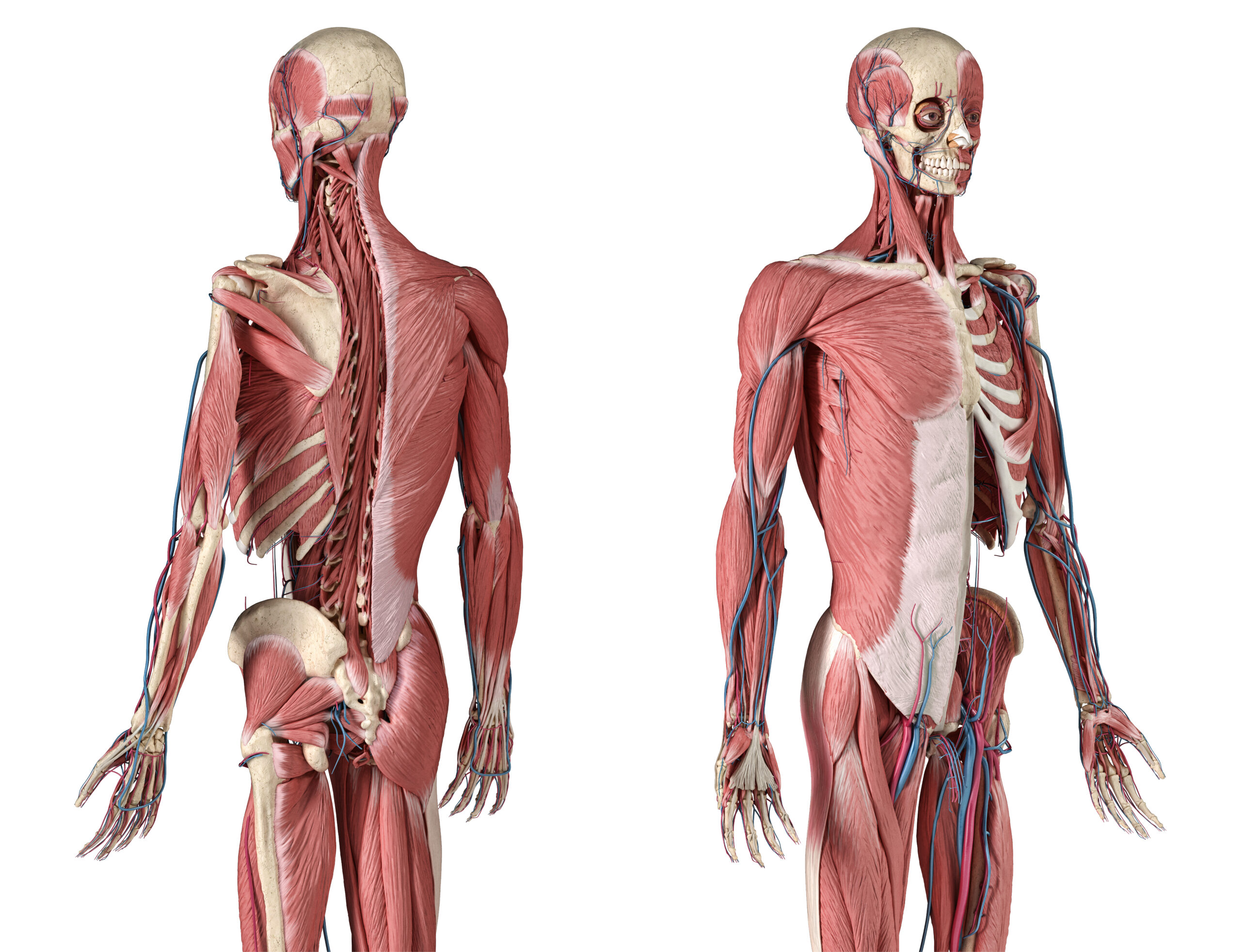
Spine Biomechanics Part 4 – The Muscles of the Spine
Spine Biomechanics Part 4 – The Muscles of the Spine Introduction Understanding the intricate web of muscles around your spine…
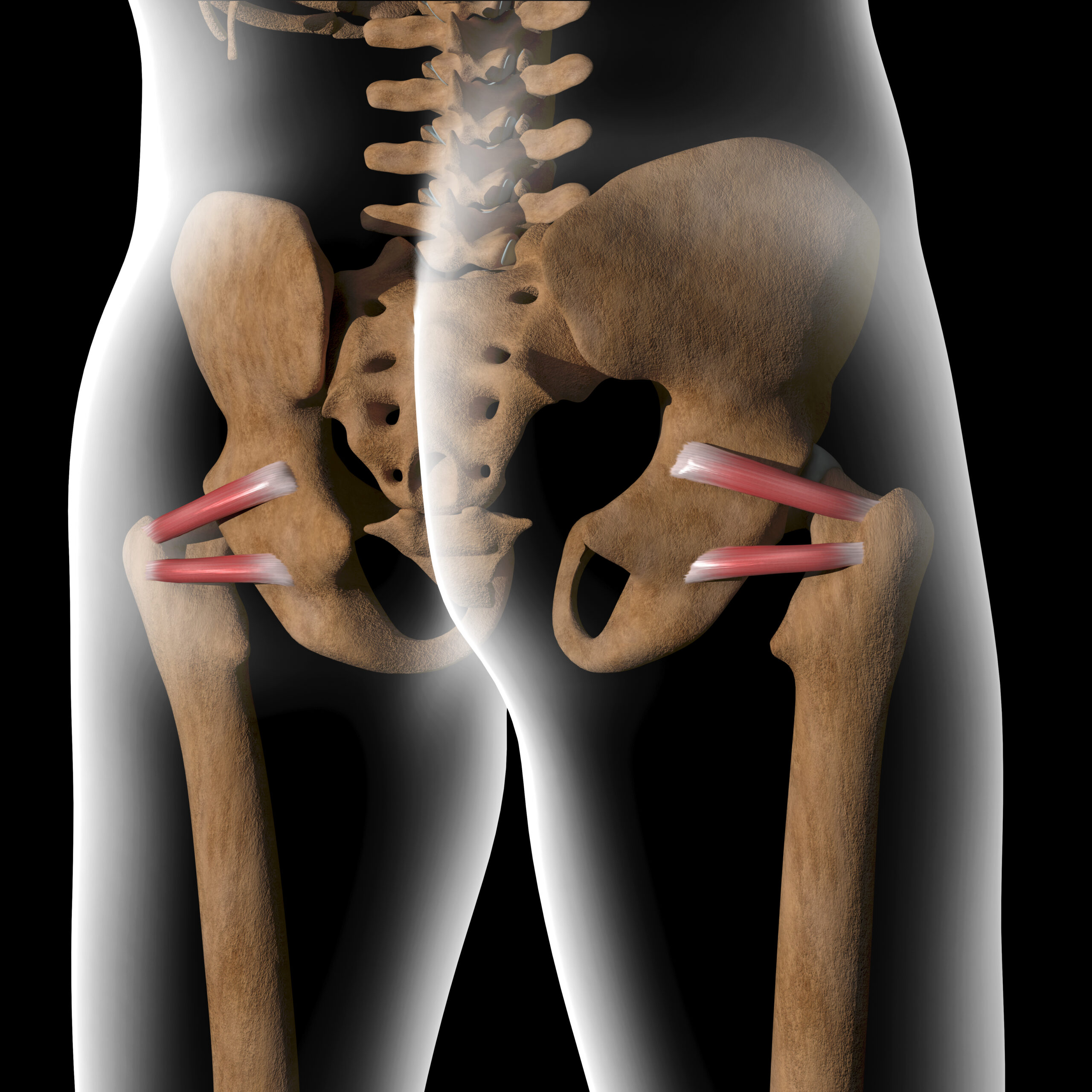
Pelvic (Hip) Biomechanics – Part 2 – The Muscles of the Hip
Introduction In this second part of our series on pelvic biomechanics, we shift our focus from the bones of the…
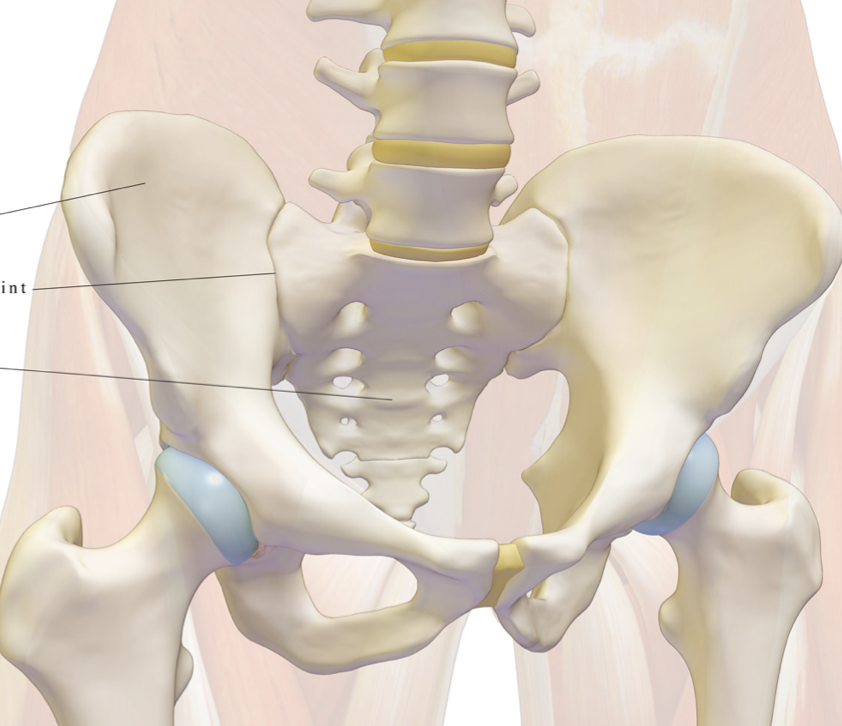
Pelvic (Hip) Biomechanics – Part 1 – The Bones of the Hip
Enhancing Your Anatomy Knowledge Many learners express a desire to deepen their understanding of anatomy and the body. You might…
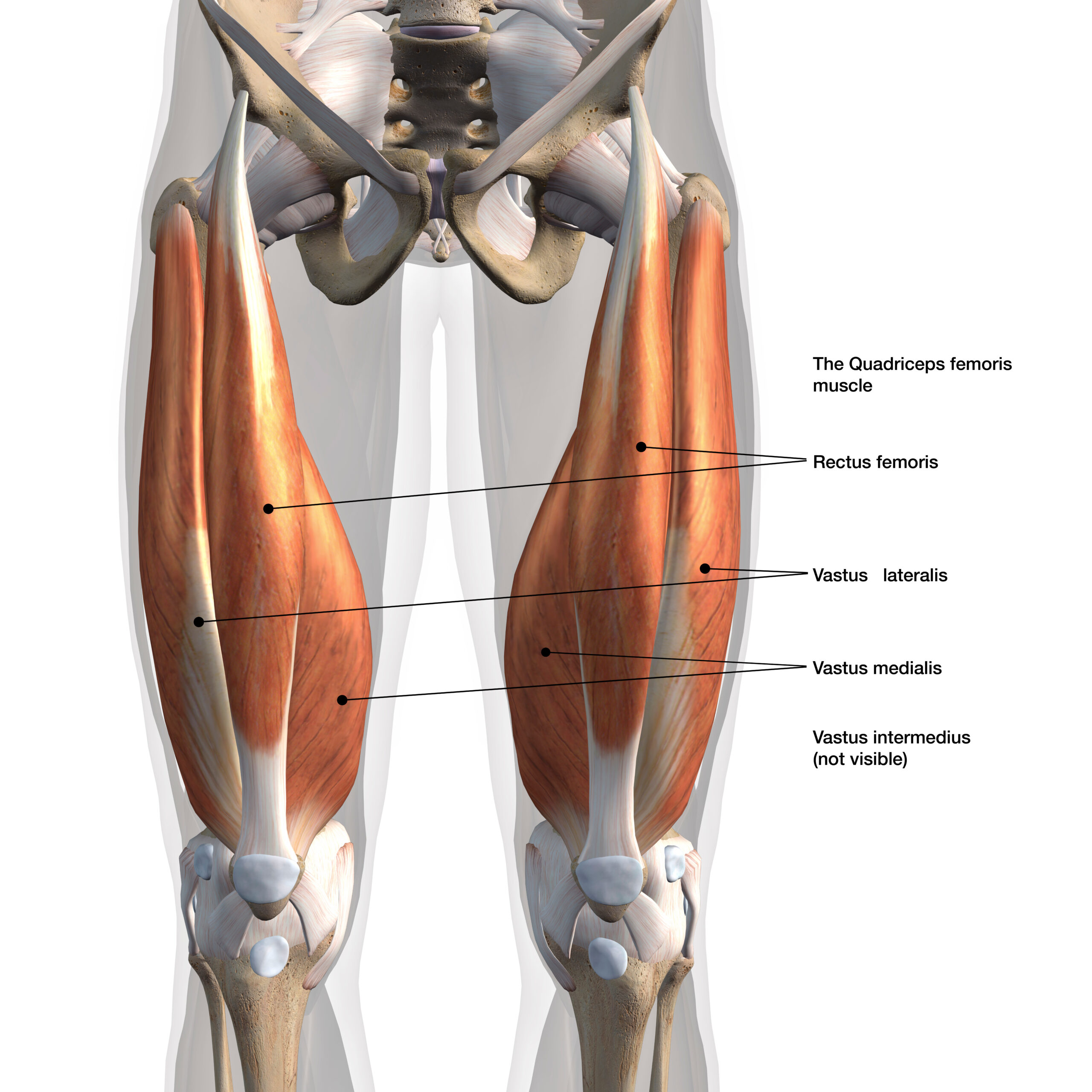
Did You Know….some people have 6 Quadricep Muscles?
Did You Know Some People Have Six Quadriceps Muscles? The human body is full of surprises, and the cadaver labs…
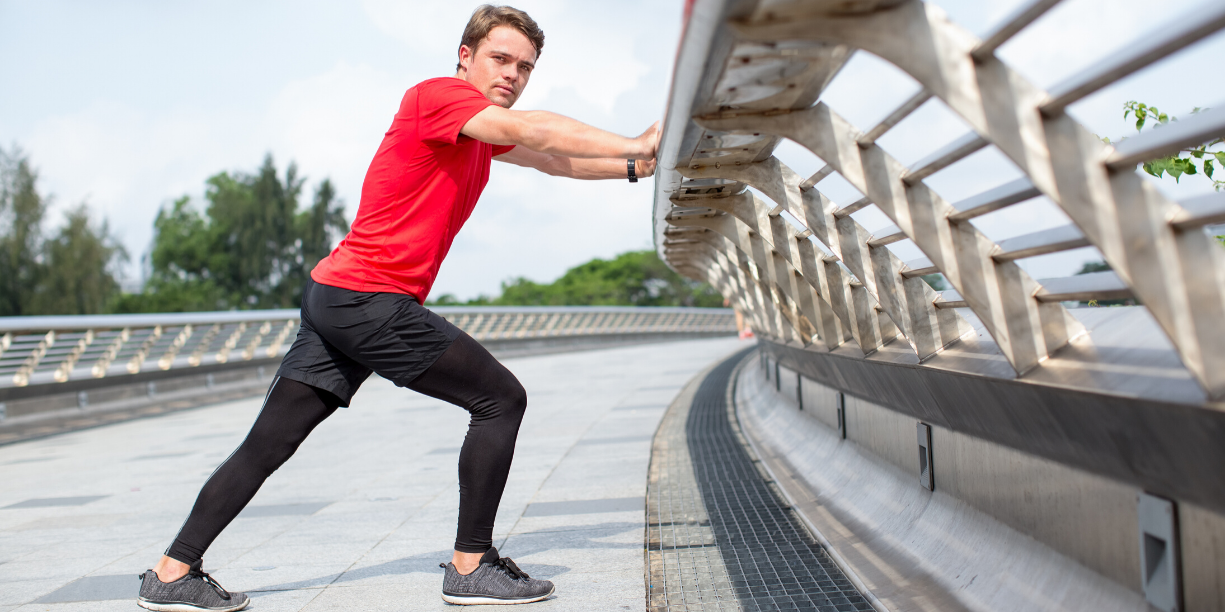
When Stretching a Tight Muscle Doesn’t Work – A Look at the Gastrocnemius & Soleus
As personal trainers, certain teachings become so ingrained that we rarely question them. One such principle is: “If it’s tight,…
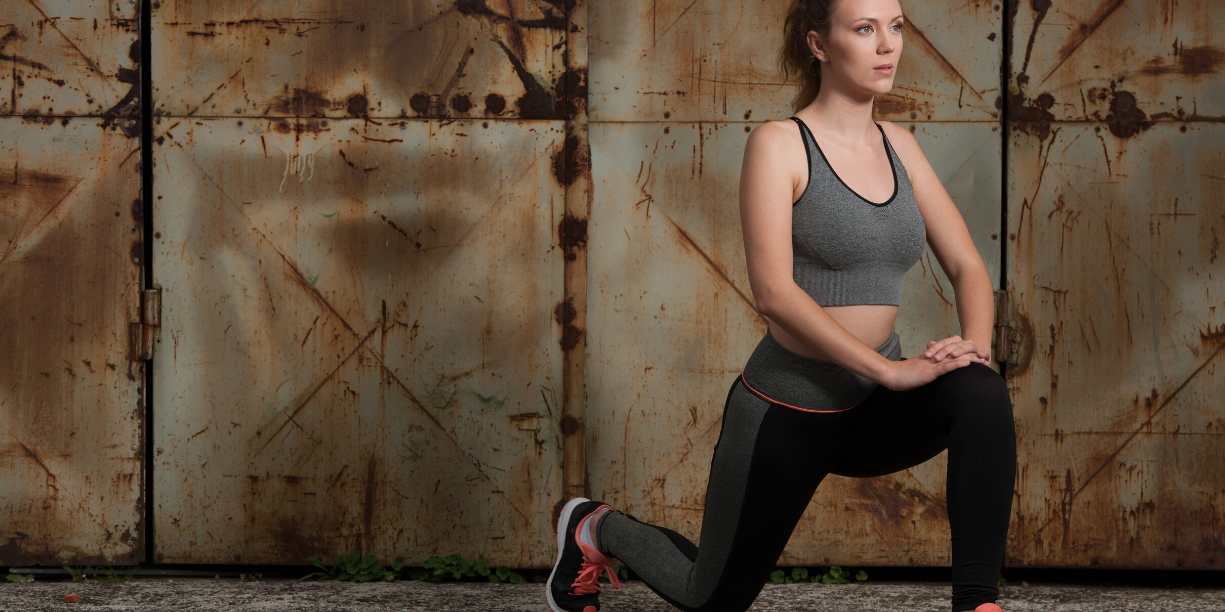
Debunking the Tight Hip Flexor Myth: Understanding the Modified Thomas Test
Are Your Clients Really Dealing with Tight Hip Flexors or an Anterior Pelvic Tilt? It’s a common narrative: hours spent…
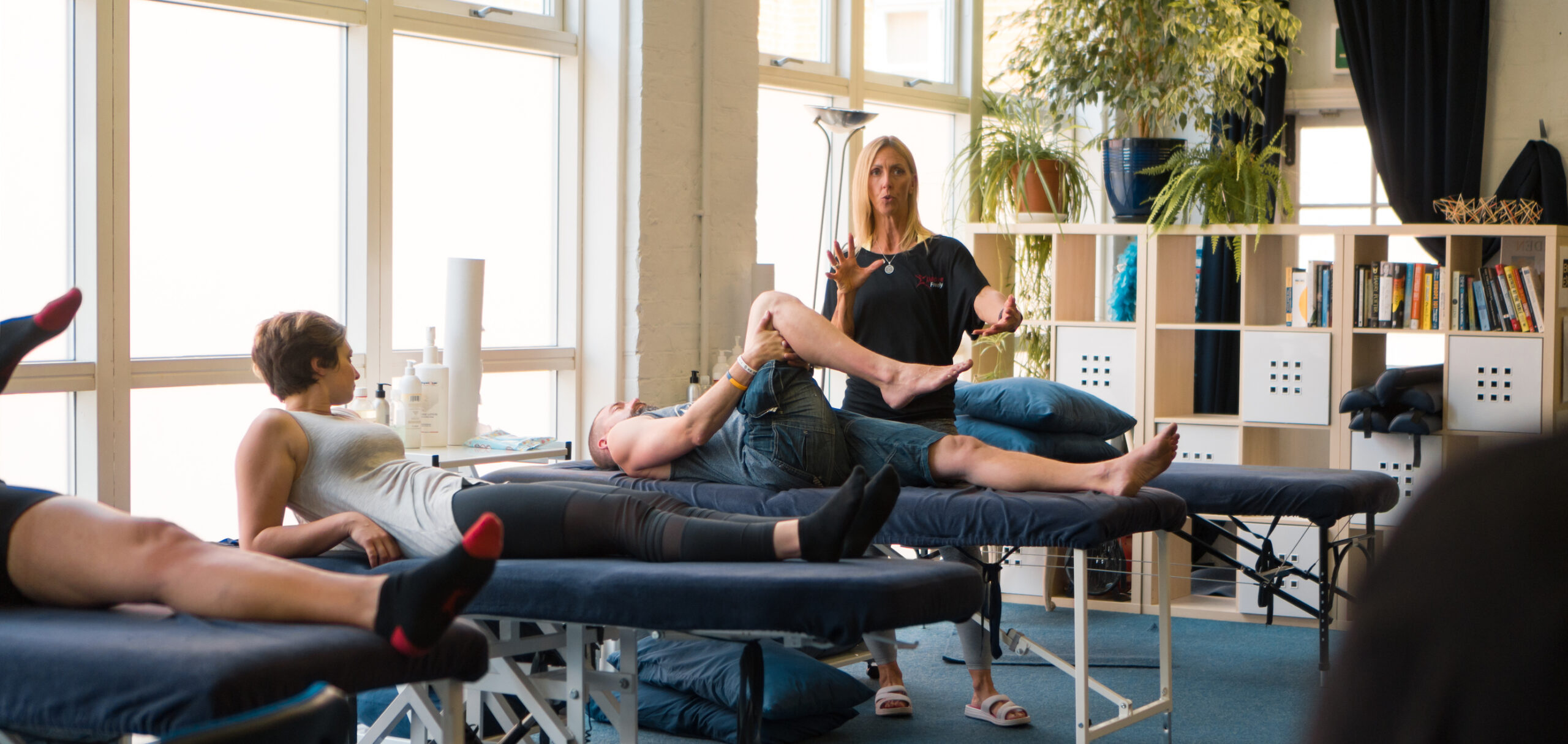
Are communication skills, something we can improve?
Absolutely. As a personal trainer, sports therapist, biomechanics coach, or anyone working with people in one-on-one or group settings, communication…
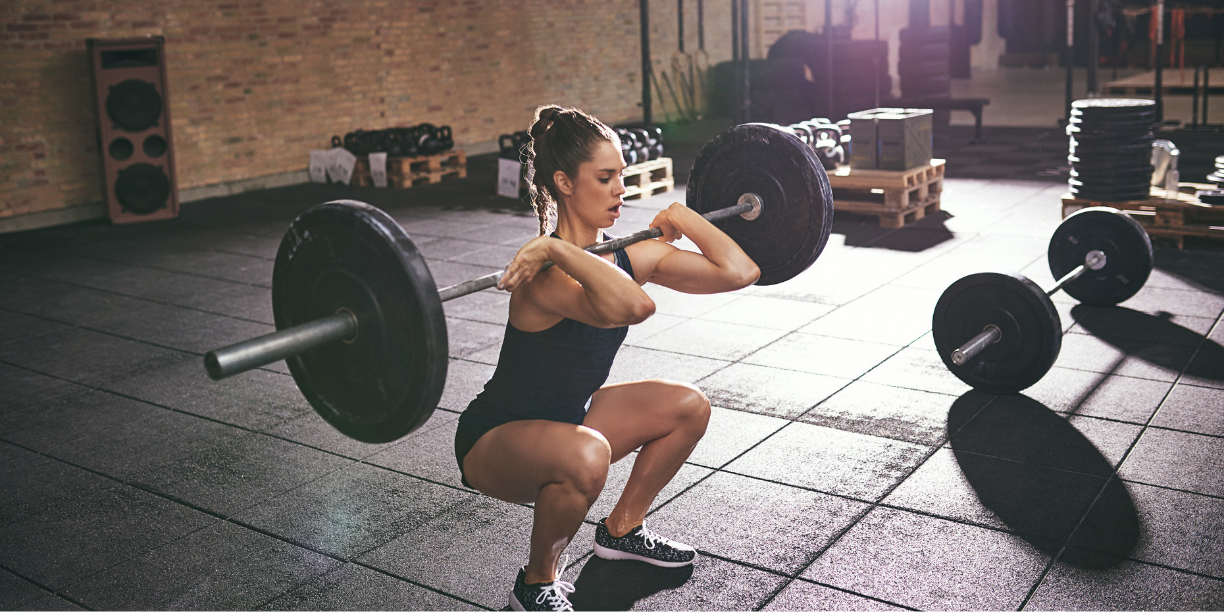
Can Changing Your Foot Position Isolate And Grow Different Quadricep Muscles?
Recently, I sparked a debate on Facebook regarding the impact of foot position on squats and its influence on quadricep…