Balancing Your Pelvis - The Science of Symmetry
A comprehensive exploration of pelvic health and biomechanics, designed to improve assessment, movement quality, and functional performance in Pilates and everyday life.
A comprehensive exploration of pelvic health and biomechanics, designed to improve assessment, movement quality, and functional performance in Pilates and everyday life.

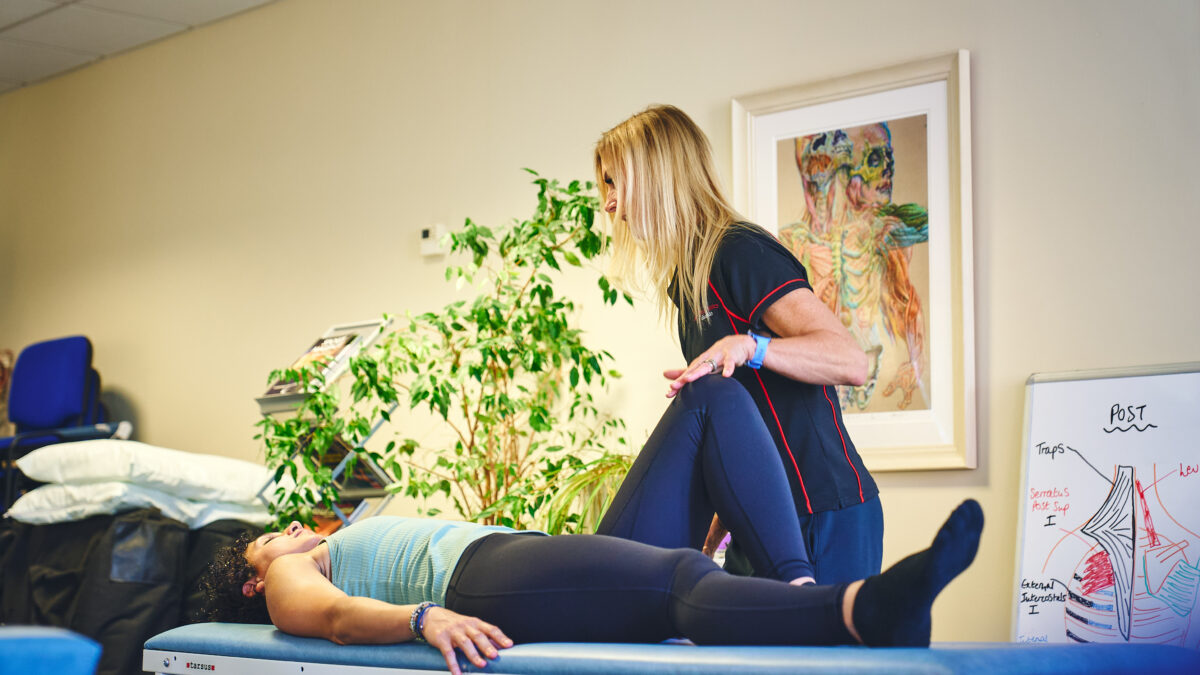
The pelvis is the centre of the body and a key driver of efficient, pain-free movement. Yet it is often oversimplified or misunderstood in movement education. This course brings clarity to pelvic health and pelvic biomechanics by integrating anatomy, biomechanics, gait, assessment, and practical intervention.
Led by Tom Waldron and Rachel Frances Thomson, this training explores how the pelvis functions as a mediator between the upper and lower body, how it moves both externally and internally, and why subtle pelvic mobility is essential for force absorption, stability, and coordination. You’ll learn how pelvic mechanics influence walking, load transfer, Pilates exercises, and daily movement, and how restrictions in pelvic motion can contribute to compensations and injury elsewhere in the body.




This webinar provided amazing insight and gave me practical knowledge I could implement with my clients to see real results.
- Biomechanics Learner M.S.

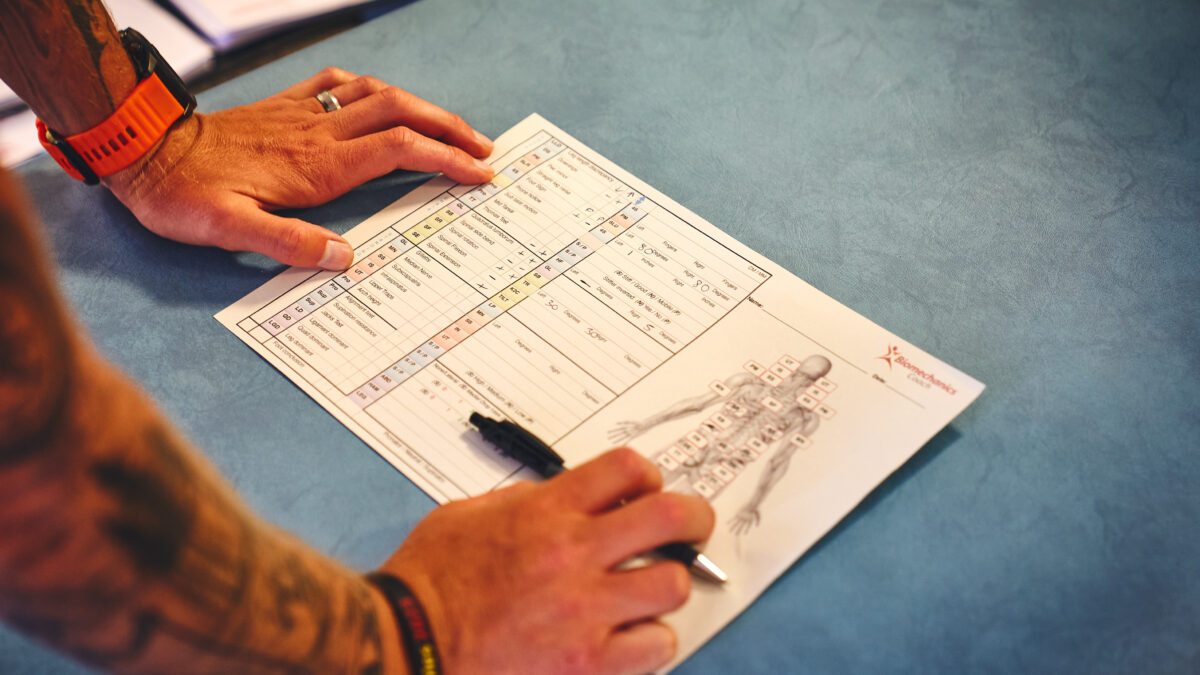
This course bridges theory and practice, giving you practical tools to assess pelvic function, identify movement limitations, and apply targeted strategies to improve pelvic mechanics in a safe, effective, and integrated way.
Course Content:
Discover expertly crafted webinars covering key topics to support professional development and continuous learning.
We’re dedicated to helping passionate individuals succeed in a way that best suits their needs. If you're ready to get started, so are we!